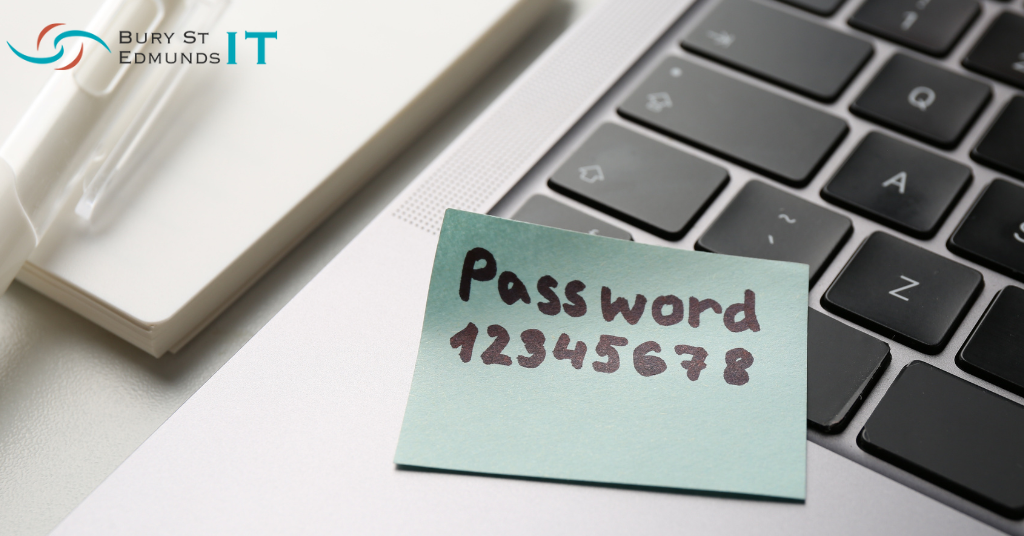
Surprisingly, despite how often we go on about it, passwords are still a big problem. Most people think of them as something you type in quickly to get on with your day. But in today’s world, a single weak password can be all it takes to shut down operations, expose sensitive data, and cost a business thousands (or more).
Cybercriminals don’t need Hollywood-style hacking skills. In many cases, they simply log in.
Despite advances in cybersecurity, passwords remain the primary way most systems are protected. Email accounts, cloud storage, accounting software, remote access tools, nearly all of them rely on passwords as the first line of defence. That makes passwords a prime target.
According to industry research, compromised credentials are involved in the majority of data breaches. Attackers use automated tools that can test millions of username and password combinations in minutes. If your password is weak, reused, or predictable, it’s not a question of if it will be cracked, it’s when.
What Counts as a “Weak” Password?
Many businesses assume they’re safe because they’ve added a number or a symbol. Unfortunately, attackers are far ahead of that. Common examples of weak passwords include:
CompanyName123
Password!
Welcome2024
Admin123
Any password reused across multiple systems
Even longer passwords can be weak if they follow predictable patterns. And reused passwords are especially dangerous, if one system is breached, attackers will try the same login details everywhere else.
How one password can snowball into a full breach.
Let’s walk through a realistic scenario.
An employee uses the same password for their work email and a third-party website. That website suffers a data breach, and the employee’s credentials are leaked on the dark web. An attacker buys that data and tries the same email and password combination on Microsoft 365 or Google Workspace.
It works.
From there, the attacker can:
Access confidential emails and attachments.
Reset passwords for other systems.
Send phishing emails from a trusted internal account.
Gain access to shared files and cloud storage.
Monitor communications to plan a larger attack.
At this point, the business may not even realise anything is wrong. The damage adds up fast. Once inside, attackers often move quietly. They look for financial data, customer information, or administrative access. In many cases, the end goal is ransomware.
A single compromised password can lead to:
Operational downtime while systems are locked or taken offline.
Financial losses from fraud, ransom payments, or recovery costs.
Reputational damage if customer or client data is exposed.
Legal and compliance issues, especially for regulated industries.
Loss of trust from customers, partners, and employees.
For small and medium-sized businesses, the impact can be devastating. Some never fully recover.
Why Employees Aren’t the Problem. Passwords Are!
It’s easy to blame users, but the reality is that humans are bad at managing passwords. We’re expected to remember dozens of complex logins, change them regularly, and never reuse them. That’s not realistic without the right systems in place.
This is why relying on “common sense” or basic password rules is no longer enough. Businesses need structured, enforced security policies that don’t depend on employees being perfect.
How to Protect Your Business.
The good news? Password-related breaches are highly preventable with the right approach. Here are the essentials every business should have in place:
1. Strong Password Policies
Require long, unique passwords for every system. Length matters more than complexity, passphrases are far harder to crack than short, complex strings.
2. Multi-Factor Authentication (MFA)
MFA is one of the most effective security measures available. Even if a password is stolen, MFA can stop an attacker in their tracks.
What is: Multifactor Authentication – Microsoft Support
3. Password Managers
Password managers allow employees to use strong, unique passwords without needing to remember them. They also reduce the temptation to reuse credentials.
4. Regular Monitoring and Updates
Suspicious login attempts, outdated accounts, and unused access should be reviewed regularly. Security isn’t “set and forget.”
5. User Awareness Training
Employees don’t need to become cybersecurity experts, but they do need to understand why password security matters and how attackers operate.
The Bigger Picture: Prevention Is Cheaper Than Recovery
Many businesses only take cybersecurity seriously after an incident. By then, the damage is already done. Investing in proper password security, monitoring, and IT support costs far less than recovering from a breach. More importantly, it protects your ability to operate, serve customers, and grow with confidence.
Contact us at info@bse-it.co.uk or 01284 247024 for a free audit and friendly discussion on how we can help.